From the Gully to the Framework
The story behind the framework — and the question that wouldn't go away.
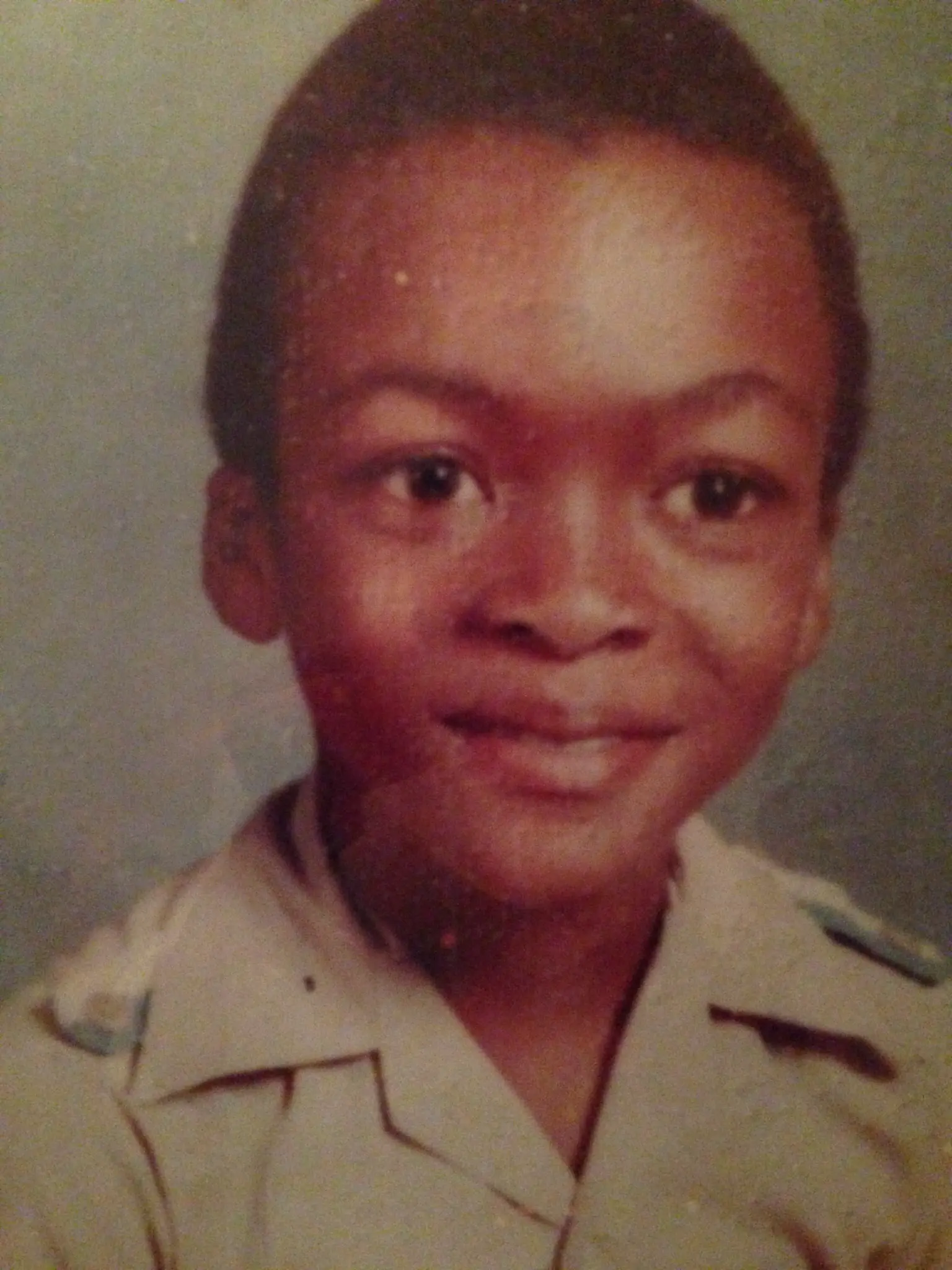
Seven Miles, Bull Bay, Jamaica
Marlon Lindsay was born in Seven Miles, Bull Bay, Jamaica — a place people passed through on their way to somewhere else. The Gully was a dirt road that ran from the main road into the hills. And right there at the corner, a skinny boy with grease on his fingers was building skates from scraps of plywood, ball bearings, and a swivel mechanism he'd engineered himself.
Every kid in the Gully was doing the same thing. Building scooters. Rigging kites from newspaper and string. Nobody called it engineering. It was just what you did.
His grandmother T'Iris had a radio. When it broke, she didn't throw it away. She put it on the kitchen table and let him take it apart. T'Iris died when Marlon was ten.
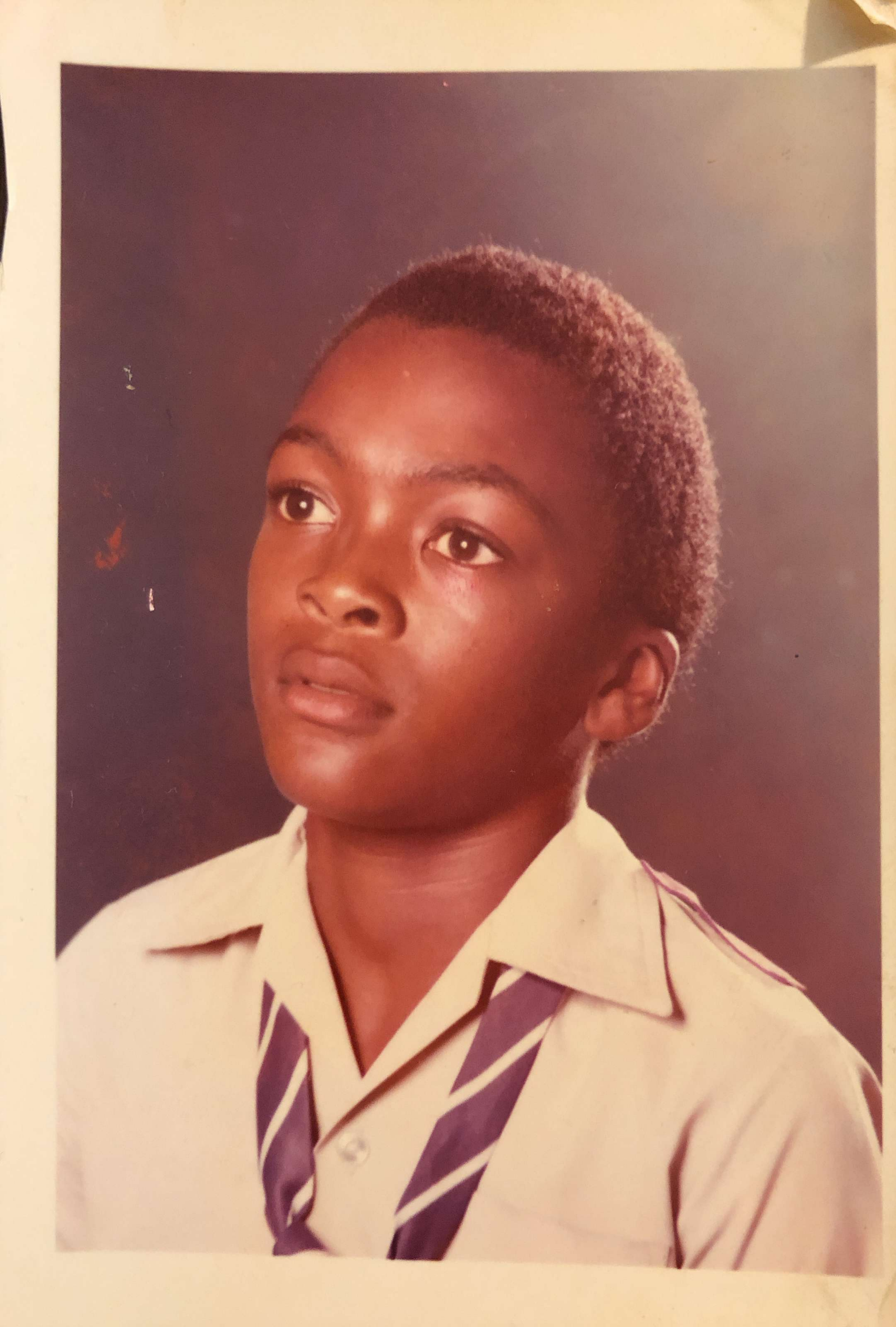
Kingston College, Jamaica
At Kingston College, science sat in one room. Mathematics sat in another. No connection between them. The kid who had spent years learning through his hands was now being asked to sit still and absorb fragments.
Four years after T'Iris died, his family left Jamaica for Connecticut. He was thirteen. At Harding High School in Bridgeport, he landed in advanced English. But the curriculum demanded linearity, and his mind thought in connections.
The question stayed with him: why does school break apart what children naturally do whole?
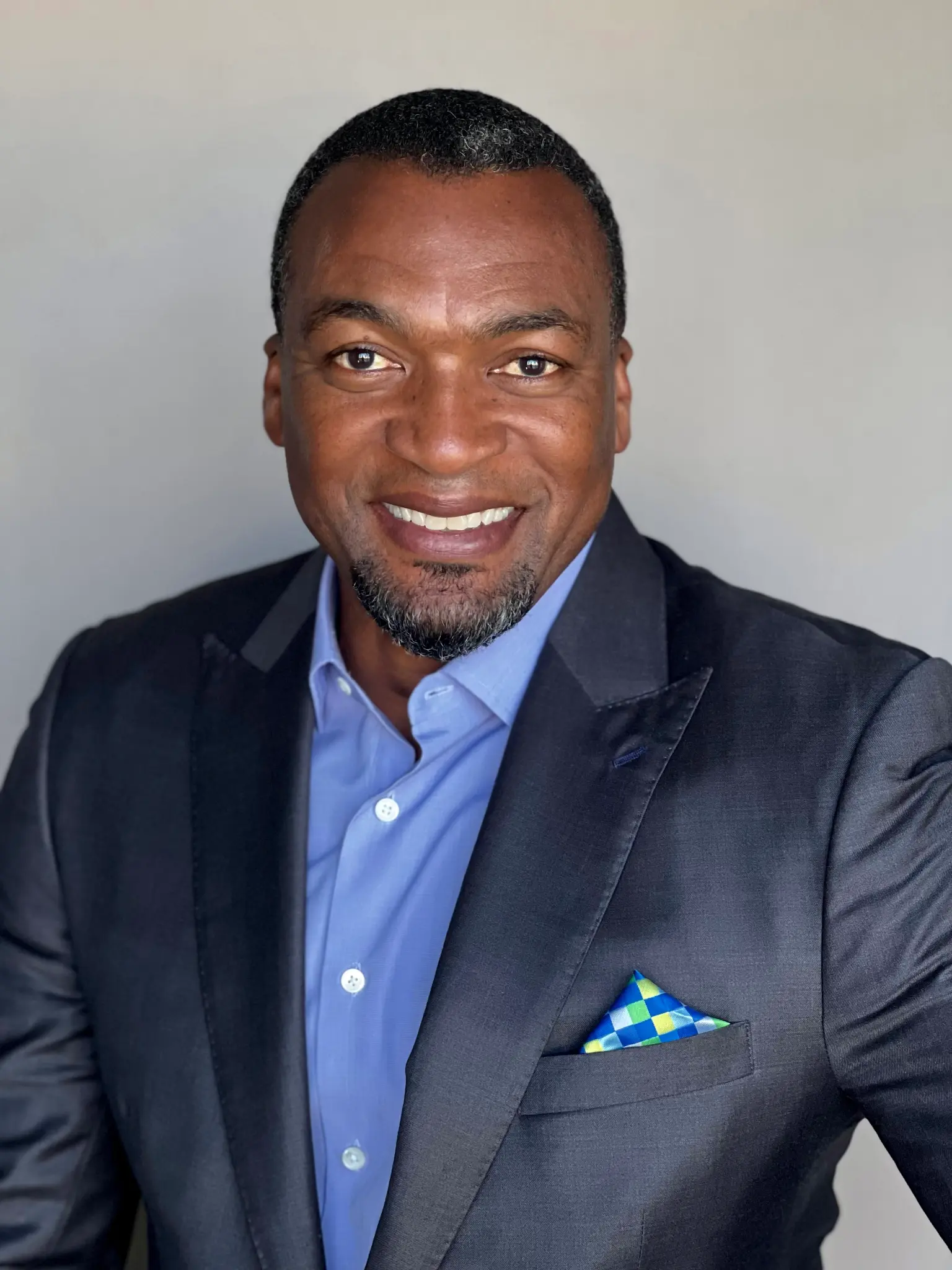
Marlon Lindsay, Founder & CEO
Years later, working in EdTech, he came across the Oxford study: 47% of all jobs susceptible to computerization. Not technology jobs. All jobs. And schools were still teaching kids to do exactly the things machines were about to do better, faster, and for free.
The question sharpened: if schools keep fracturing what children naturally do whole — creativity, critical thinking, collaboration, communication, problem-finding, problem-solving — what happens when the machines arrive?
21stCenturyEd started from a simple premise: To future-proof all kids for a future shaped by AI, robotics, and automation by embedding STEM education in core instruction, intervention, enrichment, and professional development.
"I'm not an academic. I don't have a PhD. I just found the fracture, found what caused it, and I found a fix."
The rest of the story is in The STEMbedding Revolution.
The Work Today
11+ States
Plus Jamaica and the Caribbean
Inc. 5000
Fastest-growing companies (2025)
Advancing Equity
Innovation Equity Award (2024)
21stCenturyEd works with school districts to embed STEM literacy systemically — not as a program bolted onto the side of the school day, but as a way of thinking woven into the fabric of how teachers teach and students learn. The STEM Century book series, the professional development programs, and the free Lesson Generator on this site are all part of the same mission: reunify learning before AI makes the fracture permanent.